5 minute read · September 27, 2026
What Boca Raton tap water means for your aquarium
Palm Beach County tap water comes from shallow wells, is treated with chloramine and is softened before it reaches you. Here is what that does to freshwater and reef tanks, and how to prepare water so a water change does not set the tank back.
Softened and treated
Municipal water in south Palm Beach County comes from shallow wells in the surficial aquifer system, the Biscayne Aquifer in Boca Raton. The raw water is hard, but Boca Raton softens it to a moderate 65 to 80 mg/L, about 4 dGH, with a pH around 8.0 to 8.5, and other county systems land somewhat harder. It is disinfected with chloramine, which does not gas off the way chlorine does. Straight from the tap it stresses fish and damages the filter's bacteria.
For freshwater tanks
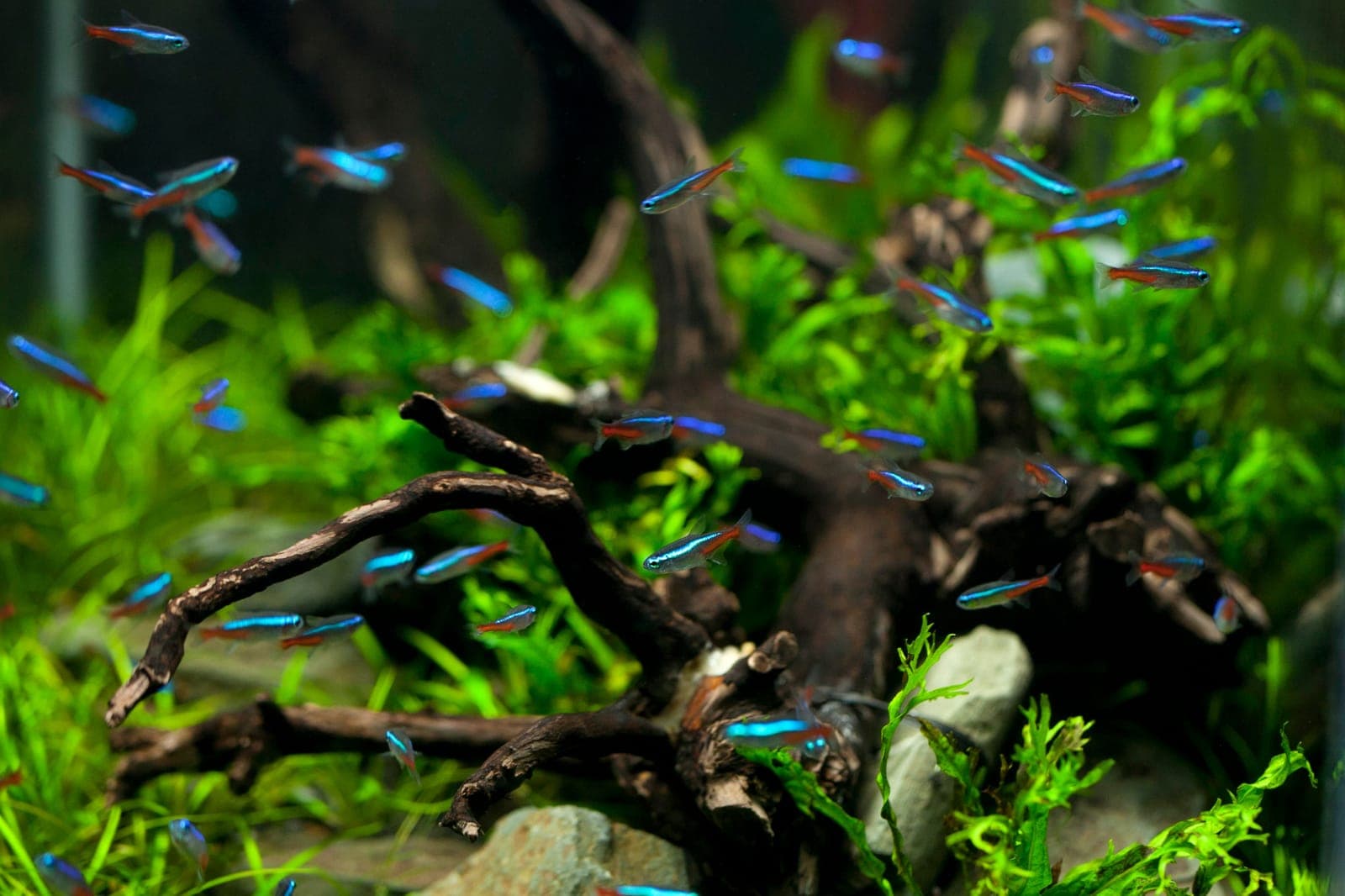
A proper conditioner that neutralizes chloramine, not just chlorine, is the minimum. The pH of 8 and up is the bigger issue for soft-water fish like discus and wild tetras, and for those species blending with RO water brings it down to where they want it.
Try it on your tank
For reef tanks
Reefs should never see tap water. Chloramine, the residual hardness and the high pH are wrong for mixing salt, and any phosphate or silicate in the supply feeds algae. RO/DI water, mixed with a quality salt and matched to the tank's salinity and temperature, is what Jason brings to every saltwater visit.
The short version
Condition for chloramine on freshwater, use RO/DI for reefs, and know that Boca water is softened but alkaline.